When it comes to protecting buildings and their occupants from the devastating effects of earthquakes, implementing a robust seismic bracing system is essential. These innovative systems play a crucial role in ensuring the structural integrity of buildings during seismic events, providing peace of mind to both building owners and occupants. In this article, we will delve into the importance of seismic bracing systems and how they contribute to overall building safety.
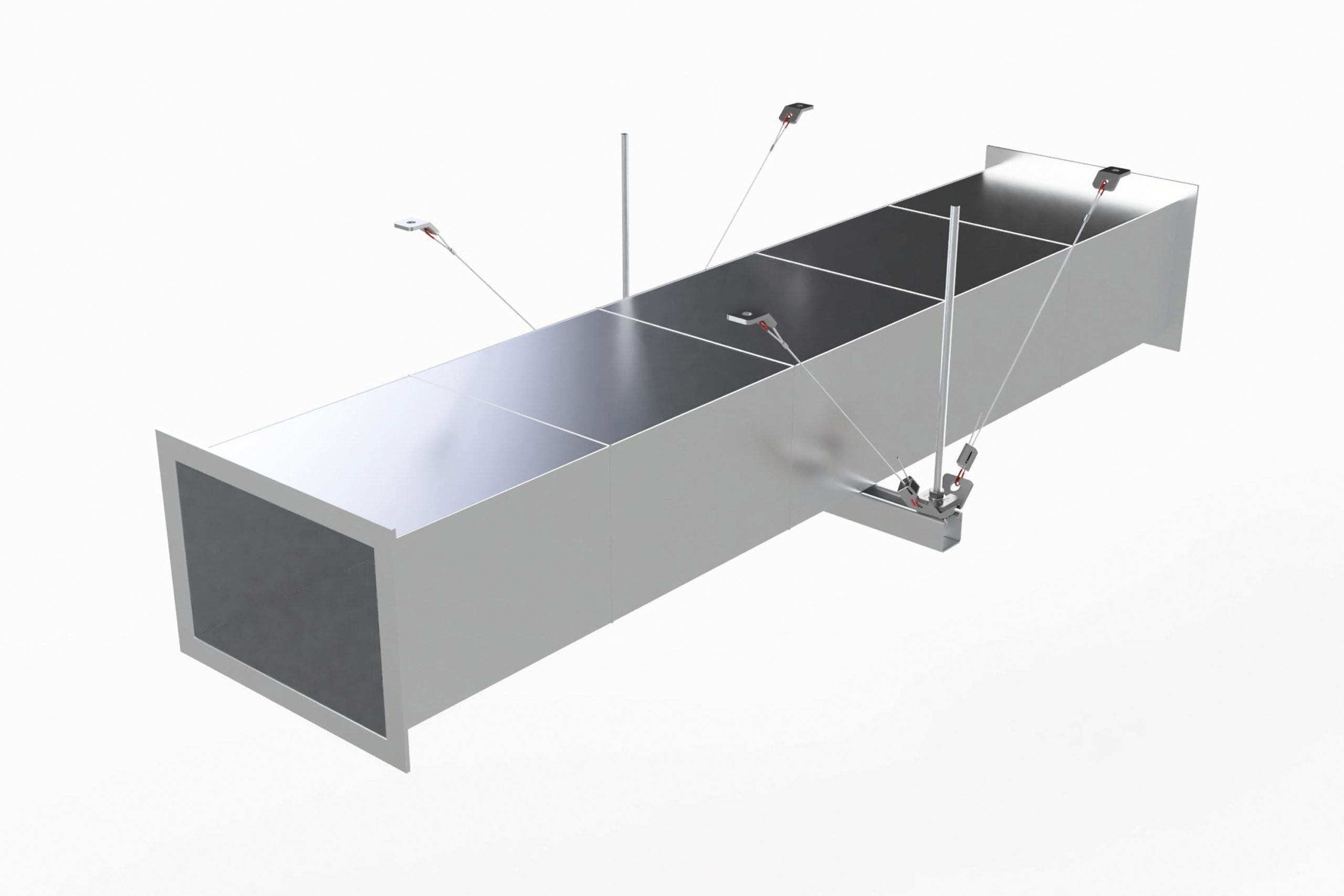
A seismic bracing system is a collection of structural elements designed to distribute seismic forces and prevent excessive movement of a building during an earthquake. These systems are typically made up of braces, beams, and other components that work together to absorb and dissipate the energy generated by seismic activity. By strategically placing these elements throughout a building, engineers can significantly reduce the risk of structural damage and collapse during an earthquake.
One of the primary benefits of seismic bracing systems is their ability to enhance building safety. In regions prone to seismic activity, such as California, Japan, and Chile, these systems are mandated by building codes to protect structures from earthquakes. By incorporating a seismic bracing system into the design of a building, engineers can ensure that it will remain standing and habitable even after a significant seismic event.
Furthermore, seismic bracing systems are essential for protecting building occupants. During an earthquake, the violent shaking can cause objects to fall and structures to collapse, putting individuals at risk of injury or death. By implementing a robust seismic bracing system, building owners can create a safer environment for occupants, reducing the likelihood of injuries and fatalities during a seismic event.
In addition to enhancing building safety, seismic bracing systems also offer financial benefits. The costs associated with repairing structural damage or rebuilding a collapsed building after an earthquake can be exorbitant. By investing in a seismic bracing system upfront, building owners can mitigate the risk of costly damage and avoid the financial repercussions of a major seismic event.
Moreover, seismic bracing systems can also improve a building’s resilience and longevity. By reducing the risk of structural damage during earthquakes, these systems help extend the lifespan of a building and minimize the need for costly repairs and maintenance. This not only benefits building owners financially but also ensures the long-term sustainability of the structure.
When it comes to implementing a seismic bracing system, there are several factors to consider. The design of the system must take into account the specific seismic hazards in the region, as well as the unique characteristics of the building. Factors such as building height, occupancy, and structural materials all play a role in determining the most effective seismic bracing system for a particular structure.
Additionally, seismic bracing systems must be regularly inspected and maintained to ensure their effectiveness. Over time, wear and tear can compromise the integrity of these systems, reducing their ability to withstand seismic forces. Building owners should work closely with qualified engineers and contractors to develop a comprehensive maintenance plan for their seismic bracing system.
In conclusion, seismic bracing systems are essential for ensuring building safety and protecting occupants during earthquakes. By investing in a robust seismic bracing system, building owners can mitigate the risk of structural damage, reduce the likelihood of injuries and fatalities, and improve the resilience and longevity of their buildings. With their many benefits, seismic bracing systems are a crucial component of any earthquake preparedness plan.